























Eyewear Guide: How to Choose Glasses & Lenses
Choose Frames and Lenses That Fit Your Life
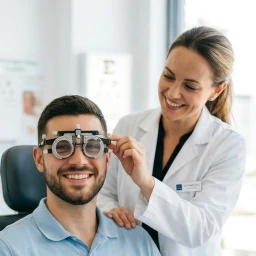
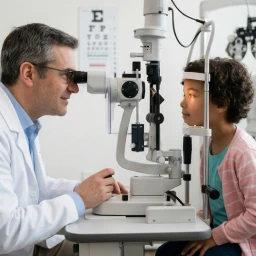
Start With Your Eye Exam
The best eyewear recommendations begin with a comprehensive eye exam. Your prescription, eye health, comfort, and daily routine all affect which frames and lenses will work best.
During your visit at Modern Optical NY on Kings Highway, we help you:
- Confirm your most accurate prescription
- Review screen, reading, driving, and outdoor needs
- Choose lens features based on comfort and performance
- Find frames that fit well and feel great all day
When you are ready to browse styles, visit our eyewear catalog or explore designer brands we carry in-store.
Eyewear for Children
Featured Kids Eyewear
Eyewear for Adults
Featured Adult Eyewear
How to Choose the Right Frame Size
Choosing the right frame size is just as important as choosing the right prescription. Glasses that are too wide slip down, too narrow pinch, and poorly sized bridges leave pressure marks. Understanding a few key measurements makes it easy to find a comfortable, well-proportioned fit.
Understanding frame measurements
Every pair of glasses has three standard measurements printed on the inside of the temple arm (the piece that goes over your ear). They are usually separated by a small square or dash and look something like 52-18-140.
- Lens width (first number) — The horizontal width of one lens in millimeters. This is the most important number for overall frame size.
- Bridge width (second number) — The distance between the two lenses, measured across the nose bridge in millimeters. This determines how the frame sits on your nose.
- Temple length (third number) — The full length of the temple arm from the hinge to the tip that curves behind your ear, in millimeters. This affects how securely the glasses stay in place.
How to read the numbers on your frames
Look on the inside of either temple arm near the hinge. You will typically see the brand name, model number, and a sequence like 52-18-140. Some frames also print the lens width and bridge width on the inside of the nose bridge itself. If the numbers are worn off, your optician can measure the frame for you.
Measuring without existing glasses
If you do not have a pair of glasses to reference, you can estimate your sizing needs:
- Face width — Hold a ruler across your face at the temples (the flat area beside your eyes). Most adult faces measure between 125 mm and 150 mm across. Your ideal frame should match this width closely so the temples align with the sides of your head.
- Pupillary distance (PD) — This is the distance between the centers of your pupils, measured in millimeters. Your optometrist measures this during your exam. PD helps determine where your lenses should be centered within the frame for optimal clarity.
Frame size ranges
General adult sizing ranges based on lens width:
| Size | Lens width | Best for |
|---|---|---|
| Extra Small | up to 41 mm | Very narrow faces, petite builds |
| Small | 42–48 mm | Narrow to average face width, small builds |
| Medium | 49–51 mm | Average face width, most common fit |
| Large | 52–58 mm | Wider faces, larger builds |
| Extra large | 59 mm and above | Very wide faces |
Bridge width typically ranges from 16 mm to 22 mm. A narrower bridge (16–18 mm) suits faces with a higher or thinner nose bridge, while a wider bridge (19–22 mm) works better for lower or broader nose bridges.
Temple length usually falls between 135 mm and 150 mm for adults. If temples feel too short or too long, your optician can help identify the right measurement.
Children's sizing considerations
Children need smaller proportions across all three measurements:
- Lens widths typically range from 42 mm to 48 mm for younger children and 46 mm to 52 mm for older children and teens
- Adjustable nose pads help accommodate growing faces and keep frames from sliding during activity
- Flexible or spring-hinged temples add durability and comfort for active daily use
- Sizing should be re-evaluated at each kids eye exam as children's faces change quickly
Tips for comparing sizes across brands
Frame measurements are standard across the industry, but fit can still vary between brands due to differences in frame shape, curvature, and temple design. Keep these tips in mind:
- Always compare all three numbers, not just lens width
- A frame with the same measurements but a rounder shape will feel different from a more rectangular one
- When shopping online, check the product listing for the full measurement set and compare it against a pair you already own and find comfortable
- If you are between sizes or trying a new brand, visiting the store for a fitting ensures the best result
- Our opticians can measure your current frames and recommend sizes that will work well for your face
Frame fit and comfort checklist
Use this quick checklist before purchasing:
- Frames sit evenly without slipping
- Nose bridge feels secure without pressure marks
- Temples feel stable without pinching
- Lenses center correctly in front of your eyes
- You can wear the pair comfortably for long periods
If fit is off, even the right prescription can feel uncomfortable. Proper adjustments make a major difference.
Lens Coatings & Add-Ons
Depending on your routine, these upgrades can improve daily comfort and durability:
- Anti-reflective coating for clearer night driving and less glare
- Scratch-resistant protection for longer lens life
- Smudge-resistant finish for easier cleaning
- UV protection for year-round outdoor eye safety
We help prioritize features so you only pay for what supports your real use cases. For Essilor lens families — including Eyezen, Varilux, Transitions, Crizal, and Xperio UV — see our advanced lens technology hub rather than duplicating full product detail here.
Eyewear care tips
- Clean lenses with a microfiber cloth and lens-safe cleaner
- Avoid paper towels or clothing that can scratch coatings
- Store glasses in a hard case when not in use
- Keep frames away from high heat (car dashboards, heaters)
- Schedule periodic adjustments to maintain fit
We Accept Major Vision and Medical Plans
We accept a wide range of vision and medical plans and help you understand your benefits before your visit. EyeMed, VSP, Davis Vision, Aetna, and Medicaid are among the plans many patients use — the full list lives on our insurance page.


































Common Questions About Eyewear
-
Should I start with an eye exam before choosing eyewear?
Yes. The best recommendations begin with a current prescription and eye health check. Book a comprehensive eye exam appointment on Kings Highway first, then use this guide and our catalog with confidence.
-
What are the best lenses for screen time?
For long computer sessions, many adults benefit from Eyezen lenses and anti-reflective coatings designed for digital routines. Your optometrist can recommend options after your exam based on prescription and working distance.
-
How do I choose the right frame size for my child?
Kids frames typically use lens widths from 42 mm to 52 mm depending on age, with adjustable nose pads and flexible temples for active wear. Re-check sizing at each kids eye exam as children grow quickly.
-
Does insurance cover frames and lenses?
Vision plans often include a frame and lens allowance; coverage varies by plan. See insurance we accept or call (718) 336-1060 before your visit and our team can help verify benefits.
-
Can I get same-day glasses in Brooklyn?
Many prescriptions can be filled quickly through our on-site optical lab after your exam. Availability depends on lens type and prescription complexity — ask during your visit, then browse eyewear in our showroom.

Ready to see clearly?
Book your Brooklyn eye exam today.
Whether you need a routine checkup, new glasses, contact lenses, or a second opinion on your child's vision, everything starts with a thorough exam. Walk-ins are welcome, but booking ahead saves you wait time.